
Portions
Serving size: a small detail worth reading
Understand the difference between a serving, a sachet and the total food inside a multi-day box.
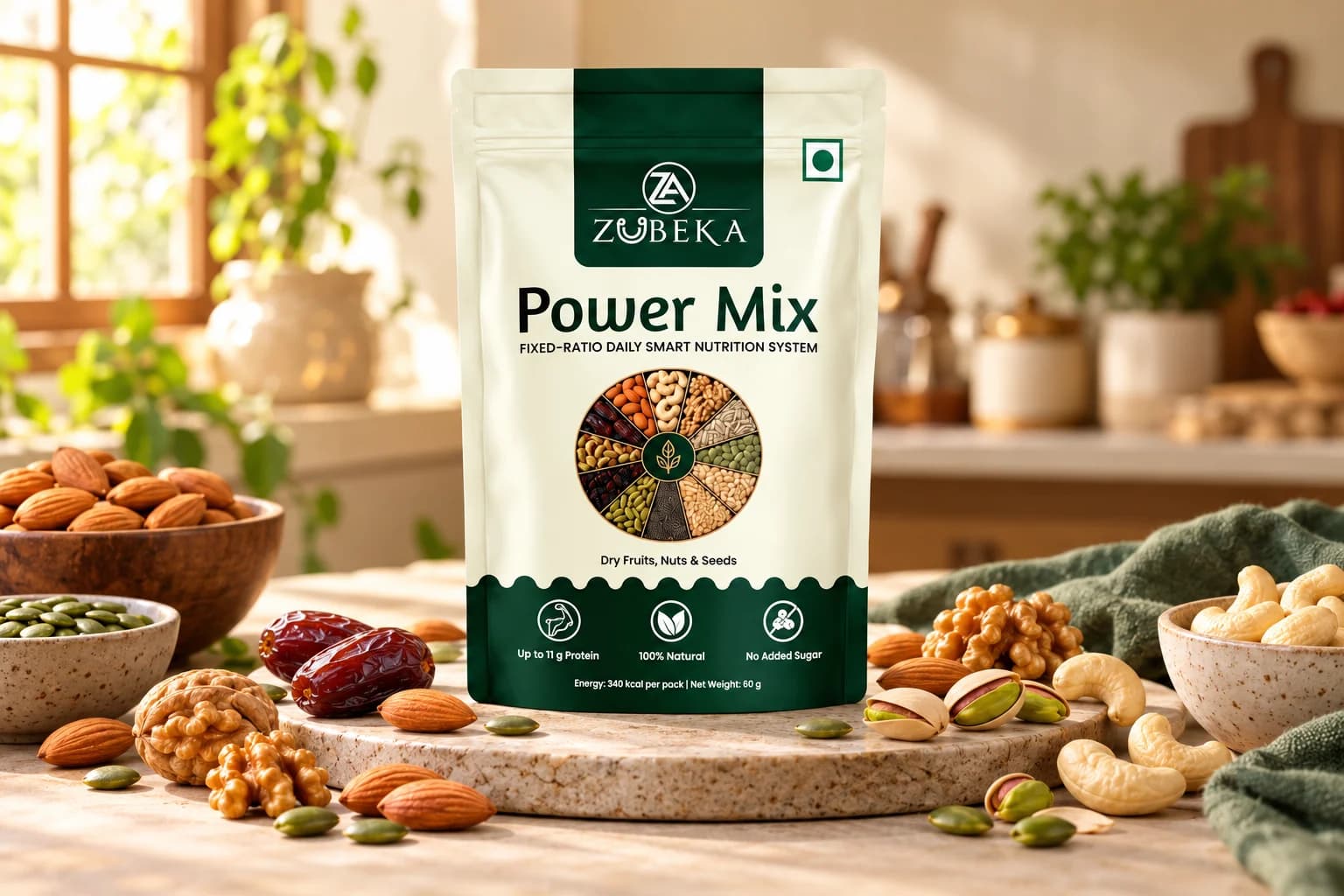
At a glance
- A serving and a whole pack may differ.
- Compare nutrition values on the same weight basis.
- Use the delivered label for exact figures.
“One pack” can mean a daily pouch, a larger bag or a box containing several pouches. Before comparing foods, work out which quantity the label is describing. This small check makes the rest of the information easier to use.
Find the three quantities
Look for the serving size, the number of servings and the net quantity. A multi-day box describes its total contents, while a daily serving describes the amount intended for one occasion. Do not assume all sachets from different product ranges contain the same weight.
Read the nutrition panel in context
Check whether values are given per serving, per 100 grams or both. Two panels with different bases cannot be compared directly. If the panel gives per-100-gram values, a smaller serving contains a proportion of those values; use the stated serving weight rather than guessing from the photograph.
Keep a portion practical
For loose mixes, a scale can make the stated amount easier to understand. A measured sachet removes that packing step, but it does not establish an individual dietary target. Consider the rest of your meals and any guidance you have received for your own needs.
Before you add a pack to your basket
- Confirm the exact variant and daily quantity.
- Read ingredients and allergen information.
- Check how many days or servings the box contains.
- Compare the same weight or serving when checking value.
Package photographs are helpful for recognition. The actual label, not an image slogan, is the place to verify nutrition information.
Compare Zubeka packs using the ingredients, daily serving and total pack quantity shown on the product page. The delivered label remains the source for batch-specific information.