
Daily routines
Everyday eating starts with a simple routine
Plan familiar meals, read food labels and make small practical changes you can repeat.
At a glance
- Plan familiar meals you can prepare.
- Keep snacks in the context of your day.
- Use labels to understand packaged foods.
A food routine is easier to organise when it starts with the meals you already know how to prepare. Look at an ordinary day rather than designing a completely new menu. Notice where shopping, cooking or travel makes eating difficult.
Make meals easier to prepare
Keep a short shopping list of ingredients you use regularly. Plan when you will cook and what can be prepared ahead according to safe storage guidance. Familiar combinations such as dal, rice or roti and vegetables can make a useful starting point for organising a meal.
Give snacks a purpose
A portable portion can help with a planned gap between commitments. Decide when you expect to need it, check the serving guidance and avoid letting an unplanned snack become the substitute for every delayed meal.
Read before choosing
For packaged foods, check ingredients, allergens, serving quantity and storage instructions. Compare similar quantities when looking at nutrition information or price. Attractive packaging is useful for recognition, but it cannot answer all these questions.
Change one practical step
- Prepare tomorrow's food container tonight.
- Write down the ingredients you keep running out of.
- Set a realistic lunch break in your schedule.
- Review which parts of the routine were easy to repeat.
This is a starting point for planning food, not an individual diet prescription. Use qualified advice when your health or training needs require a tailored plan.
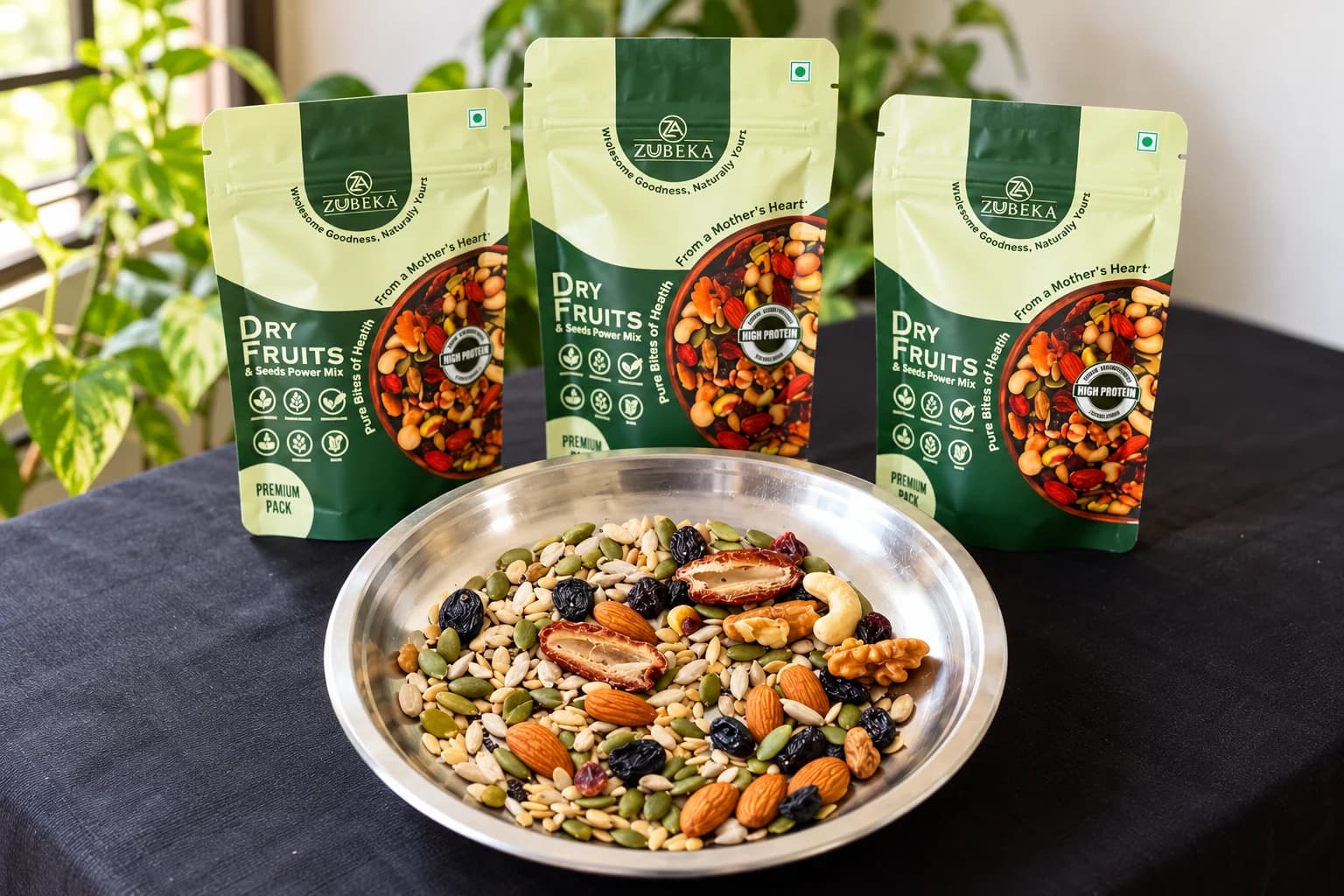
Compare Zubeka packs using the ingredients, daily serving and total pack quantity shown on the product page. The delivered label remains the source for batch-specific information.